Business
Fed’s Hammack favors gradual rate-hike path to lower inflation
By Mark Gilliam
Advertisement · Why this ad?
Lila Johnson is a seasoned business reporter with a background in finance, having graduated from the University of North Dakota. She has previously worked with local business journals and focuses on small business success stories and entrepreneurial initiatives.
More from Lila →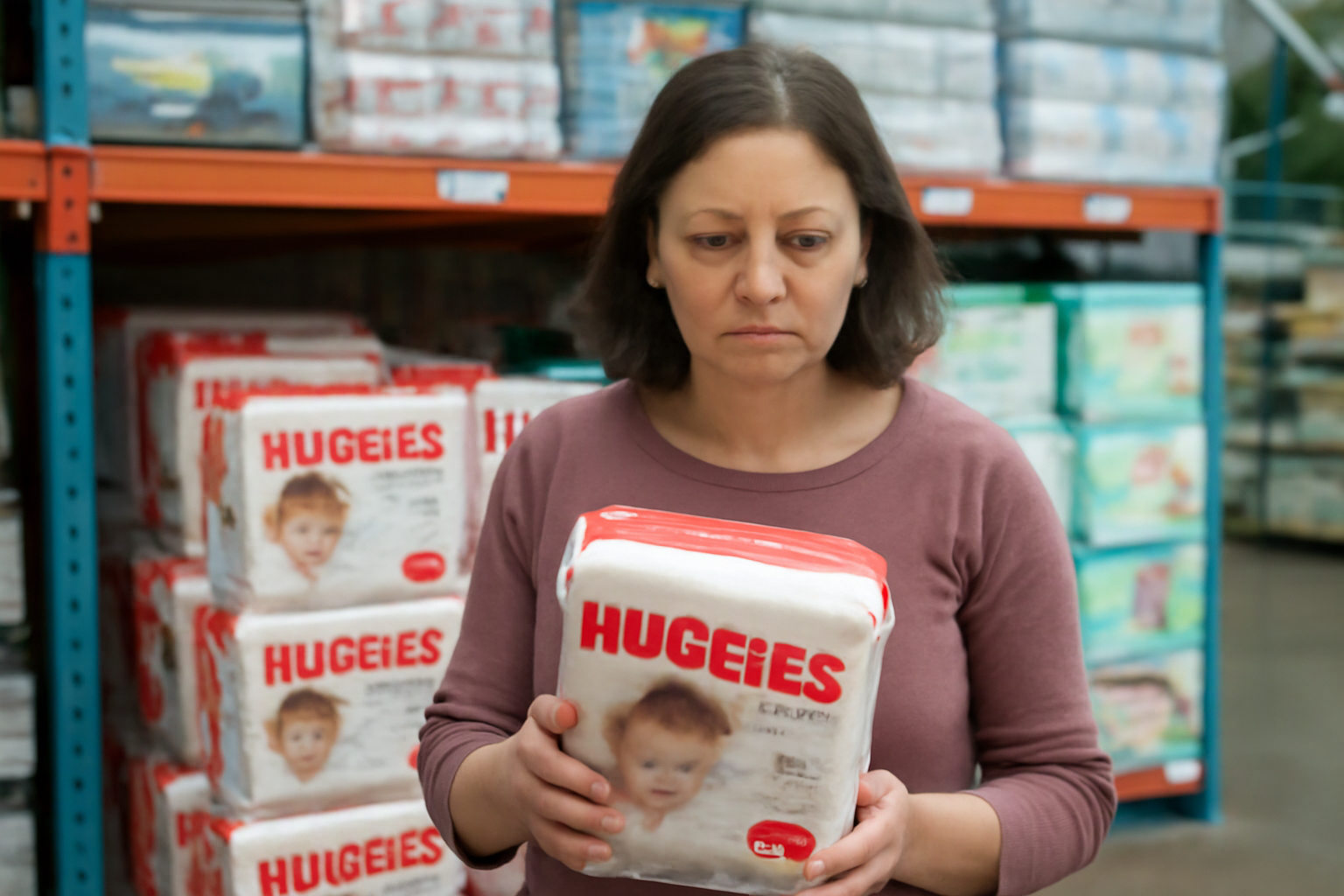
In the heart of Fargo, where families cherish the little moments, the news of Kimberly-Clark's ongoing challenges in China resonates deeply. Picture a mother, cradling her newborn, reaching for a trusted Huggies diaper, only to be met with uncertainty. This scenario reflects not just a business dilemma but a larger narrative about trust, quality, and the American dream of providing the best for our children. As the company navigates through troubling waters, it remains committed to its annual sales and profit forecast, despite the headwinds.
On November 5, Kimberly-Clark, the maker of Huggies and Kleenex, announced its decision to maintain its annual sales and profit outlook, despite facing a decline in organic sales attributed to damaging claims about its diaper quality in China. The controversy began in June when the Chinese state market regulator initiated an inquiry following reports that Huggies diapers, along with products from local brands Babycare and Bibabebe, allegedly contained formamide—a substance known to irritate skin, eyes, and respiratory systems.
In October, Chinese authorities cleared Kimberly-Clark's products, stating that no formamide was detected, effectively debunking the false social media claims that had circulated widely. However, the damage was done, and the repercussions continue to affect the company's performance. Kimberly-Clark has indicated that the disruptions in China have negatively impacted its organic sales growth, projecting it to be approximately 100 basis points below its average growth in competing categories and countries.
The company's recent acquisition of Kenvue, valued at around $40 billion, adds another layer to its operational landscape. Despite the challenges, Kimberly-Clark is optimistic, forecasting annual adjusted earnings per share to grow in the high single digits on a constant-currency basis. This resilience reflects a commitment to not only weathering the storm but also striving for growth amidst adversity.
In the third quarter, Kimberly-Clark reported net sales of $4.13 billion, aligning with analysts' expectations. However, the company's organic sales fell by 1.3%, primarily due to a significant 270-basis-point impact stemming from the China-related claims. This decline illustrates how external factors can ripple through a business, affecting not just the bottom line but also the families that rely on their products.
While volumes in North America grew by 2%, the international personal care segment saw a decline of 4.6%. This discrepancy underscores the importance of understanding market dynamics, especially in regions where consumer perception can be easily swayed by misinformation. As families in Fargo and beyond seek reliable products for their children, the stability of brands like Huggies becomes paramount.
Moreover, the adjusted gross margin for Kimberly-Clark stood at 35.5%, down 130 basis points from the previous year. This decline can be attributed to a 1.1% price decrease, despite increased input costs and ongoing supply chain investments. The balancing act of maintaining quality while managing costs is a challenge many companies face, particularly in today's economic climate.
Kimberly-Clark is not alone in facing these challenges. Its competitor, Procter & Gamble, has also maintained its annual forecast while warning of rising costs associated with raw materials, energy, and freight. This highlights a broader trend in the consumer goods industry, where companies are grappling with inflationary pressures and the need to adapt to changing market conditions.
For families in Fargo, the implications of these industry dynamics are significant. The choices made by these companies can directly affect the availability and pricing of essential products. As consumers, families are increasingly aware of the stories behind the brands they trust, seeking transparency and reliability in their purchases.
The ongoing saga surrounding Kimberly-Clark's diaper quality claims serves as a poignant reminder of the importance of consumer trust. In a community like Fargo, where family values are at the forefront, the reliability of products for children is a top priority. Parents want to feel confident that the items they purchase are safe and effective, and misinformation can lead to a breakdown of that trust.
As the company works to rebuild its reputation in China, the impact on families extends beyond mere sales figures. The emotional connection that parents have with brands like Huggies is rooted in their desire to provide the best for their children. A single negative claim can cause ripples of doubt, prompting families to reconsider their choices.
Local businesses in Fargo that sell these products may also feel the effects. As consumers become more discerning, retailers must adapt their offerings and ensure they are providing trusted brands that align with community values. This situation highlights the interconnectedness of businesses and families, where the success of one often hinges on the trust of the other.
Despite the challenges, Kimberly-Clark's commitment to maintaining its annual outlook reflects a broader strategy focused on resilience and adaptability. As the company navigates through this tumultuous period, it has the opportunity to reinforce its brand values and reconnect with consumers. The recent clearance of its products in China is a step in the right direction, but rebuilding trust will require ongoing effort.
For families in Fargo, the future holds promise as companies like Kimberly-Clark seek to innovate and enhance their product offerings. The American dream of providing a stable and loving environment for children is intertwined with the choices parents make at the store. As these companies prioritize quality and transparency, they can help restore confidence among consumers.
To further strengthen its relationship with consumers, Kimberly-Clark could consider engaging directly with communities like Fargo. Hosting family-oriented events or educational workshops about product safety and quality could serve as a platform for open dialogue. Such initiatives can help demystify the manufacturing process and reassure parents about the safety of their products.
Additionally, Kimberly-Clark could collaborate with local health organizations and parenting groups to create informative content addressing common concerns about diaper safety and the importance of choosing reputable brands. By fostering these connections, the company can not only rebuild trust but also position itself as a community ally invested in the well-being of families.
In conclusion, the unfolding situation with Kimberly-Clark serves as a reminder of the delicate balance between business and consumer trust. As families continue to navigate their choices, the hope is that companies will rise to the occasion, fostering relationships built on integrity and commitment. The resilience of the American spirit shines through in communities like Fargo, where families strive to provide the best for their loved ones.
By Mark Gilliam

By Lila Johnson
By Jake Thompson

By Mark Gilliam