
Real Estate
West Fargo Public Schools approves 10-year tax exemption for COVE Living project
By Maya Patel
Advertisement · Why this ad?
Carlos Martinez, a former sports anchor for Fargo's local NPR affiliate, has been reporting on professional sports for over eight years. He holds a journalism degree from the University of Minnesota and is known for his sharp insights into the local professional teams.
More from Carlos →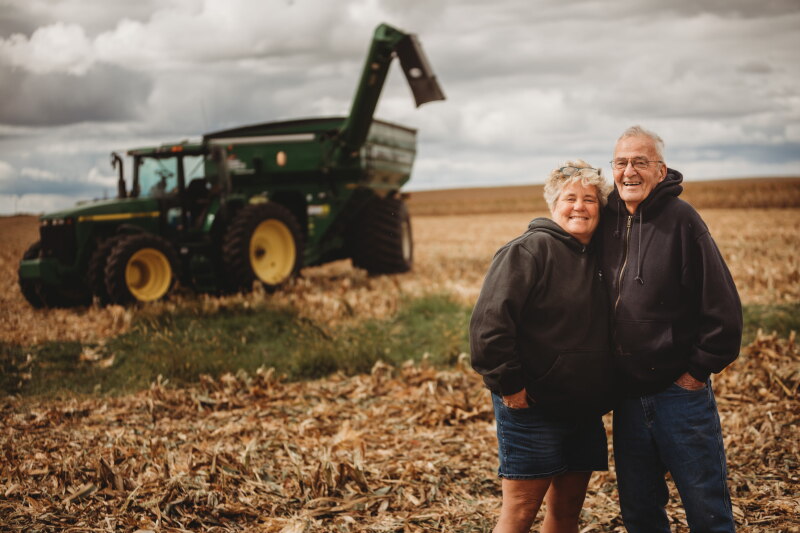
It’s a sobering thought, isn’t it? Imagine working your fingers to the bone, building a legacy for your family, only to have the future of that operation decided by a state legislature because you didn't plan ahead. According to recent data, that’s a reality facing a staggering 64% of farmers and agribusiness owners – nearly two-thirds – who lack an estate plan. This isn't just about paperwork; it’s about protecting the future of a family’s livelihood, ensuring their wishes are honored, and avoiding unnecessary burdens on grieving loved ones. J.C. Hobbs, an associate Extension specialist at Oklahoma State University, highlighted this critical issue in a recent webinar hosted by the U.S. Department of Agriculture, and the implications for farmers in the region are significant.
The numbers are unsettling, but the consequences of inaction are even more so. Hobbs’s webinar underscored a simple truth: without a formal estate plan – a will or a trust – the state dictates how your assets are distributed. Each state has its own rules for intestate succession, and as Hobbs pointed out, “The legislature can do a much better job allocating your property than you can.” While that might elicit a chuckle, it’s a serious concern. It means the state, not you, decides how your farm, land, and other assets are divided. This also applies to crucial decisions like who will care for minor children and who will administer your estate – potentially leading to conflict and unwanted outcomes. According to Hobbs, a staggering 55% of American adults lack an estate plan, a figure that jumps to 64% among farmers and agribusiness owners. The lack of planning places an enormous emotional burden on family members already dealing with loss. Hobbs emphasized, “Your grieving loved ones do not need any help looking after your affairs.” Without clear instructions, they’re forced to make difficult decisions – selling assets, settling debts – often unsure if they’re acting in accordance with your wishes. The potential for disputes and unintended consequences is very real, and the financial costs of legal battles can be substantial. A well-crafted estate plan can actually minimize estate taxes and attorney fees, ensuring more resources remain within your family or are directed to charitable causes you support. The IRS provides information on estate taxes, but navigating those complexities requires professional guidance.
Hobbs outlined five key reasons why farmers should consider creating an estate plan: first, the legislature can make decisions that may not align with the farmer's wishes; second, the government may use estate tax money for purposes other than those desired by the farmer or his family; third, if no administrator or executor is chosen, a court will appoint someone, potentially not aligned with the farmer’s intentions; fourth, if minor children are involved, the court will decide who will care for them; and fifth, grieving loved ones may need assistance managing the farmer's affairs. He explained that “The government can use your estate tax money. Charities and your family don't need it.” He also noted that if a farmer fails to designate an administrator or executor, “the court will appoint such a person…it may be somebody that you don't want to have handle the job.” According to Hobbs, careful planning can significantly reduce confusion, conflict, settlement costs, and unintended transfers.
The reasons to have an estate plan extend far beyond simply avoiding state control or minimizing taxes. It’s about providing clarity and peace of mind for your family, ensuring your values are upheld, and protecting the legacy you’ve worked so hard to build. Hobbs emphasized that “You can seek the advice or thoughts of your heirs, your children, etc., but remember, the final choice is yours.” This highlights the importance of taking ownership of your future and making informed decisions about how your assets are distributed and who will care for your loved ones. Consider the implications for families with minor children. Without a designated guardian in your estate plan, the court decides who will care for them – a decision that might not align with your preferences. As Hobbs stated, “If you have minor children, it’s the court’s decision who will care for those minors. You may have a much better option than what they would pick.” This underscores the critical importance of including guardianship provisions in your estate plan to ensure your children are cared for by someone you trust.
Beyond the immediate family, an estate plan can also protect the future of the farm itself. Succession planning, a crucial component of estate planning for agricultural operations, ensures the continuity of the business and minimizes potential conflicts among heirs. Minnesota's Department of Agriculture provides resources on estate planning for farmers, recognizing the unique challenges faced by agricultural families.
Hobbs recounted a recent example where careful note-taking by a caretaker prevented the loss of vital estate planning documents. This serves as a stark reminder that even with the best intentions, unexpected events can disrupt carefully laid plans. He also stressed the importance of regular reviews of estate plans, particularly after major life events such as births, deaths, marriages, divorces, or changes in the law.
As someone who values the enduring strength of families and the bedrock of faith within our communities, this situation deeply concerns me. It’s not just about dollars and cents; it’s about honoring commitments, protecting loved ones, and ensuring a stable future for generations to come. The fact that so many farmers are leaving these critical decisions to chance speaks to a broader trend – a decline in proactive planning and a potential erosion of responsibility. It’s a testament to the American dream – the ability to build something lasting and pass it on to your children – but that dream requires effort, foresight, and a willingness to face uncomfortable truths.
The lack of estate planning among farmers isn’t just a personal issue; it has broader implications for our community. Family farms are the backbone of our local economy, providing jobs, supporting local businesses, and contributing to the unique character of our region. When farms are fragmented or mismanaged due to a lack of planning, it can lead to economic instability and a loss of valuable agricultural land. The ripple effect extends to local businesses that rely on the farm economy and to the overall vitality of our rural communities. The Fargo Chamber of Commerce recognizes the importance of a strong agricultural sector to the region’s economic health.
Fortunately, there are resources available to help farmers and agribusiness owners create estate plans. The Oklahoma State University Extension Service offers a wealth of information and guidance on estate planning for agricultural families. Their website provides valuable resources and contact information for local experts. Additionally, the U.S. Department of Agriculture offers a variety of programs and services to support farmers and ranchers, including assistance with estate planning. The USDA website provides details on these programs. It’s crucial to consult with qualified professionals – an attorney specializing in estate planning and a financial advisor – to develop a plan that meets your specific needs and goals.
Local extension offices, such as the North Dakota State University Extension, offer workshops and seminars on estate planning. Their website provides a calendar of upcoming events. For those seeking professional assistance, the American Bar Association's Section of Real Property, Trust and Estate Law provides resources and guidance. The ABA offers a directory of attorneys specializing in estate planning. Farmers seeking farmland access or succession planning resources may also find Land For Good a valuable resource.
The concerning statistic of 64% of farmers lacking estate plans should serve as a wake-up call for our community. It’s a reminder that proactive planning is not just a luxury; it’s a necessity for protecting the future of our families and our farms. Let’s encourage open conversations about estate planning within our families and communities, breaking down the barriers of discomfort and complexity. Consider attending workshops or seminars on estate planning offered by local organizations or universities. And most importantly, take the first step – schedule a consultation with an attorney or financial advisor to begin the process of securing your legacy.
The future of our agricultural heritage depends on it. It's about more than just land and finances; it’s about preserving the values, traditions, and strong family bonds that define our rural communities.
By Maya Patel

By Mark Gilliam

By Carlos Martinez
By Sofia Cheung